
Mamoru Hosaka

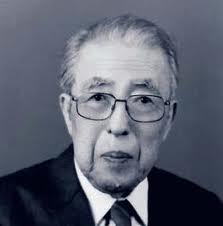
- (b.) 1920
Bio/Description
A pioneer of seminal computer research and development in Japan, Hosaka was born in 1920 and graduated from the University of Tokyo in 1942, majoring in aeronautical engineering. After 1946, he belonged to the Research Institute of the Japan National Railways (JNR-RI), where he did research on dynamics of railway vehicles, for which he received the Doctor of Engineering degree from the University of Tokyo.
In autumn 1951, Hosaka happened to read an article on the digital computer and began to study its technology by himself. In 1954, he realized that it could be utilized for control of main activities in the railway system. Though at that time there were no computers in Japan, he persuaded his colleagues and executives of the Institute to begin study on computer applications for system control, and his research work was then authorized by the Institute.
In July 1955, Hosaka developed a basic idea for seat reservation for trains. He then found that the idea could be realized simply with magnetic drum memory, a part of which is used as delay line registers. In late 1957, the Central Office of the JNR, recognizing his group's efforts, decided to construct a prototype Seat Reservation system for four Business Express trains between Tokyo and Osaka. By the end of 1959, the system was completed and named MARS-1 (Magnetic Automatic Reservation System, afterward Multi-Access Reservation System).
Citations:
-
Date of Birth:
1920 -
Gender:
Male -
Noted For:
Seminal computer research and development in Japan -
Category of Achievement: